

Every Test Comes Back Normal But Something Is Wrong: Could It Be Dysautonomia in Roswell GA?
Every Test Comes Back Normal But Something Is Wrong: Could It Be Dysautonomia in Roswell GA?

If your child is exhausted, dizzy, anxious, and struggling with digestion, but every test comes back "normal", there is a name for what is happening. It is called dysautonomia, and it is one of the most overlooked patterns in pediatric and family health today. You are not imagining it, and your child is not making it up.
An estimated 70 million people worldwide are living with dysautonomia, a disorder of the Autonomic Nervous System that disrupts everything from heart rate and blood pressure to digestion, temperature regulation, and even immune function. And we now know that dysautonomia plays a major role in the development of Autism Spectrum Disorder, Sensory Processing Disorder, PANDAS/PANS, anxiety, and even such common conditions as constipation and other digestive challenges.
At Lako Family Chiropractic, we understand the limitations of conventional care for dysautonomia in Roswell GA and believe that a new approach is needed to help children and families achieve optimal health and well-being. Keep reading to learn what dysautonomia is, what causes it, and how our neurologically-focused approach can help.
What is Dysautonomia in Roswell GA
To understand dysautonomia, you first need to understand the Autonomic Nervous System (ANS). The ANS is responsible for controlling all the involuntary functions in your child's body, heart rate, blood pressure, digestion, temperature regulation, immune activation, sensory processing, behavior, and emotional regulation. These are functions that happen automatically, without conscious control.
The ANS has two main branches:
- The Sympathetic Nervous System (SNS): The "fight or flight" response. It activates during times of stress or perceived danger, increasing heart rate and blood pressure and preparing the body for action.
- The Parasympathetic Nervous System (PNS): The "rest, regulate, and digest" response. It helps the body conserve energy, slow heart rate, promote digestion, and facilitate healing.
In a healthy child, these two systems work together seamlessly. But in children with dysautonomia, this delicate balance is disrupted, the sympathetic "gas" is stuck to the floor, and the parasympathetic "brake" can't kick in. The result is a wide range of symptoms that touch virtually every system in the body.
Why Is Dysautonomia So Prevalent Today?
Families today are exposed to unprecedented levels of chronic stress, anxiety, and environmental toxins, from food and air quality to cleaning products, medications, and more. This relentless load on the nervous system is a major driver of dysautonomia in children.
Research shows that when a mother experiences high levels of stress during pregnancy, cortisol crosses the placenta and directly affects the developing baby's brain and nervous system. Then from there, birth interventions such as forceps, vacuum extraction, induction, and c-section can cause physical trauma to the delicate brainstem and vagus nerve, disrupting autonomic function from the very start of life and triggering what we call "The Perfect Storm."
The Perfect Storm: The Root Causes of Dysautonomia
At Lako Family Chiropractic, Dr. Steve uses the "Perfect Storm" framework to explain how dysautonomia develops in children. Three primary factors combine to create this neurological storm:
- Prenatal Stress: Maternal stress during pregnancy, through the release of stress hormones, directly impacts the child's developing nervous system, increasing the risk of dysautonomia and chronic health conditions later in life.
- Birth Trauma: Complications during labor and delivery can cause physical trauma to the infant's brainstem and vagus nerve, disrupting the autonomic regulation that is critical for lifelong health.
- Early Childhood Stressors: Overuse of antibiotics, exposure to toxins, early illness, and environmental chemicals further dysregulate the developing Autonomic Nervous System, creating a cascading effect of chronic health challenges.
Signs of Dysautonomia in Children
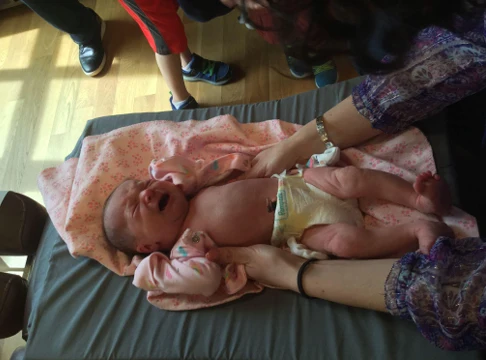
Because dysautonomia affects so many body systems at once, it is often called an "invisible illness." Your child's labs might come back completely normal, and yet they are clearly struggling. That is because dysautonomia is a functional condition of the nervous system, not a structural problem that shows up on an MRI or blood panel.
Physical signs include:
- Digestive issues: nausea, bloating, constipation, reflux, and diarrhea
- Chronic fatigue and weakness, a profound exhaustion that doesn't improve with rest
- Dizziness, lightheadedness, or fainting when standing
- Rapid or irregular heart rate, sometimes spiking 30+ beats per minute just from standing
- Temperature dysregulation, unable to stay warm or cool down properly
- Frequent illness and weakened immune response
- Altered motor tone and coordination challenges
- Seizures and epileptic activity
Cognitive and emotional signs include:
- Sensory processing difficulties, meltdowns, and difficulty with transitions
- Brain fog, poor concentration, and memory problems
- Anxiety and depression
- ADHD-like challenges with focus and impulse control
The Role of the Vagus Nerve
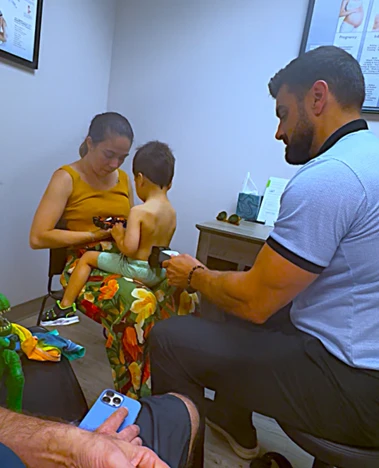
One of the most important components of the ANS is the vagus nerve, a long nerve that extends from the brainstem all the way to the abdomen. When functioning properly, it promotes relaxation, regulates inflammation, supports immune response, and helps the parasympathetic system do its job.
When the vagus nerve is damaged or irritated, often from birth trauma or prolonged nervous system stress, the body gets stuck in sympathetic dominance. The brain becomes more excitable, digestion fails, immunity weakens, and emotional regulation breaks down. This is the physiological reality behind so many of the conditions families come to Lako Family Chiropractic hoping to address.
How Dysautonomia Connects to Common Childhood Conditions
Dysautonomia is not a rare, exotic diagnosis, it is the underlying neurological thread connecting many of the most common childhood health challenges seen today:
- Autism Spectrum Disorder and Sensory Processing Disorder: The vagus nerve and ANS are heavily involved in sensory integration and social-emotional regulation. Dysautonomia disrupts both.
- PANDAS/PANS: At the heart of these conditions lies dysautonomia, the sympathetic-parasympathetic imbalance triggers the cascade of neurological and immune disruptions that characterize PANS and PANDAS.
- Seizures and Epilepsy: Subluxation, sympathetic dominance, and vagus nerve dysfunction together create conditions in the brain that increase the risk of seizure activity.
- Anxiety, ADHD, and Behavioral Challenges: When the ANS is dysregulated, children cannot self-regulate emotionally or cognitively, not because of parenting or willpower, but because their nervous system physiologically cannot shift into a calm state.
- Chronic Digestive Issues: The vagus nerve controls how the stomach empties, how digestion moves, and whether food stays down. Dysautonomia disrupts all of it.
The Limitations of Conventional Care
When families bring children struggling with dysautonomia into the conventional medical system, they often bounce from specialist to specialist, GI for digestive issues, neurology for seizures, immunology for allergies, without anyone connecting the dots. Each specialist addresses their particular system in isolation, missing the root neurological cause that ties them all together.
Medications like beta-blockers, midodrine, and fludrocortisone may manage some symptoms, but they do not address the underlying autonomic dysfunction. And many come with side effects that further compromise your child's quality of life. Standard blood tests and imaging won't reveal dysautonomia because it is a functional problem, the structure looks normal, but the function is broken.
Our Neurologically-Focused Approach at Lako Family Chiropractic
At Lako Family Chiropractic, Dr. Steve is specially trained to identify and address the neurological dysfunction at the root of dysautonomia. Our approach centers on two things: measuring what's actually happening in the nervous system, and then correcting it with gentle, specific care.
We use advanced INSiGHT Scans, including Thermal and Heart Rate Variability (HRV) scanning technology, to detect and measure the presence and severity of subluxation and dysautonomia in every patient. These noninvasive scans allow us to see exactly where the nervous system is stuck, how severe the imbalance is, and which areas of the NeuroSpinal System are driving the dysfunction.
From there, Dr. Steve builds a fully customized Neurological Restoration Care Plan for your child. Gentle, specific chiropractic adjustments work to release subluxation, reduce sympathetic dominance, and help activate the vagus nerve and parasympathetic nervous system, restoring the nervous system's ability to regulate, heal, and develop.
This is not a treatment for dysautonomia. It is an approach to removing interference so the nervous system can do what it was designed to do.
The nervous system remains plastic, it can change, adapt, and heal even after years of stress. Families we work with have seen children begin to sleep, digest, focus, and regulate again once the nervous system received the support it needed.
Finding Hope and Answers
If you are a parent who has been told everything looks "normal" while knowing deep down that something is wrong, you are not imagining it. Dysautonomia is real, it is common, and it is frequently missed by conventional care.
At Lako Family Chiropractic, we serve Roswell and the surrounding areas, and we also welcome families traveling from out of state for care. If you suspect your child may be struggling with dysautonomia, or if you have already received a diagnosis and are looking for a drug-free, root-cause approach, we would love to connect with you.
Reach out to us today to schedule a nervous system evaluation with Dr. Steve. If you are not local to us, visit the PX Docs directory to find a qualified neurologically-focused chiropractor near you.
There is hope, and we are here to help you find it.

Monday
9:00am - 5:00pm
Tuesday
8:00am - 5:00pm
Wednesday
8:00am - 5:00pm
Thursday
10:00am - 1:00pm
Friday
Closed
Saturday & Sunday
Closed
Lako Family Chiropractic
1455 Old Alabama Rd Ste 125
Roswell, GA 30076